The dupatta is the most transformative piece in a South Asian bridal wardrobe. The same embroidered dupatta can read regal, romantic, minimal, or dramatic depending on how it falls across your shoulders. That is wonderful, and it is also one more decision you do not have time to make at six in the morning on your wedding day.
The brides I work with are running full schedules straight through their engagements. They have taste, they have opinions, and they have roughly zero spare hours to drape and redrape a dupatta five ways in a mirror. So here is the decision, made once, in one place: the five named draping styles every South Asian bride should know, how each fabric behaves, and which drape belongs to which event. This is the kind of planning that gets finished weeks in advance inside my South Asian bridal styling consulting work, where every event’s look is decided before the wedding week begins.
Think of your dupatta like a frame that can move. The same painting looks formal in a heavy gold frame, soft in a sheer one, and modern with clean lines and nothing extra. Your outfit does not change. The way you drape it changes what everyone sees first, and how the whole look feels in every photograph.

The Classic Over-the-Head Drape
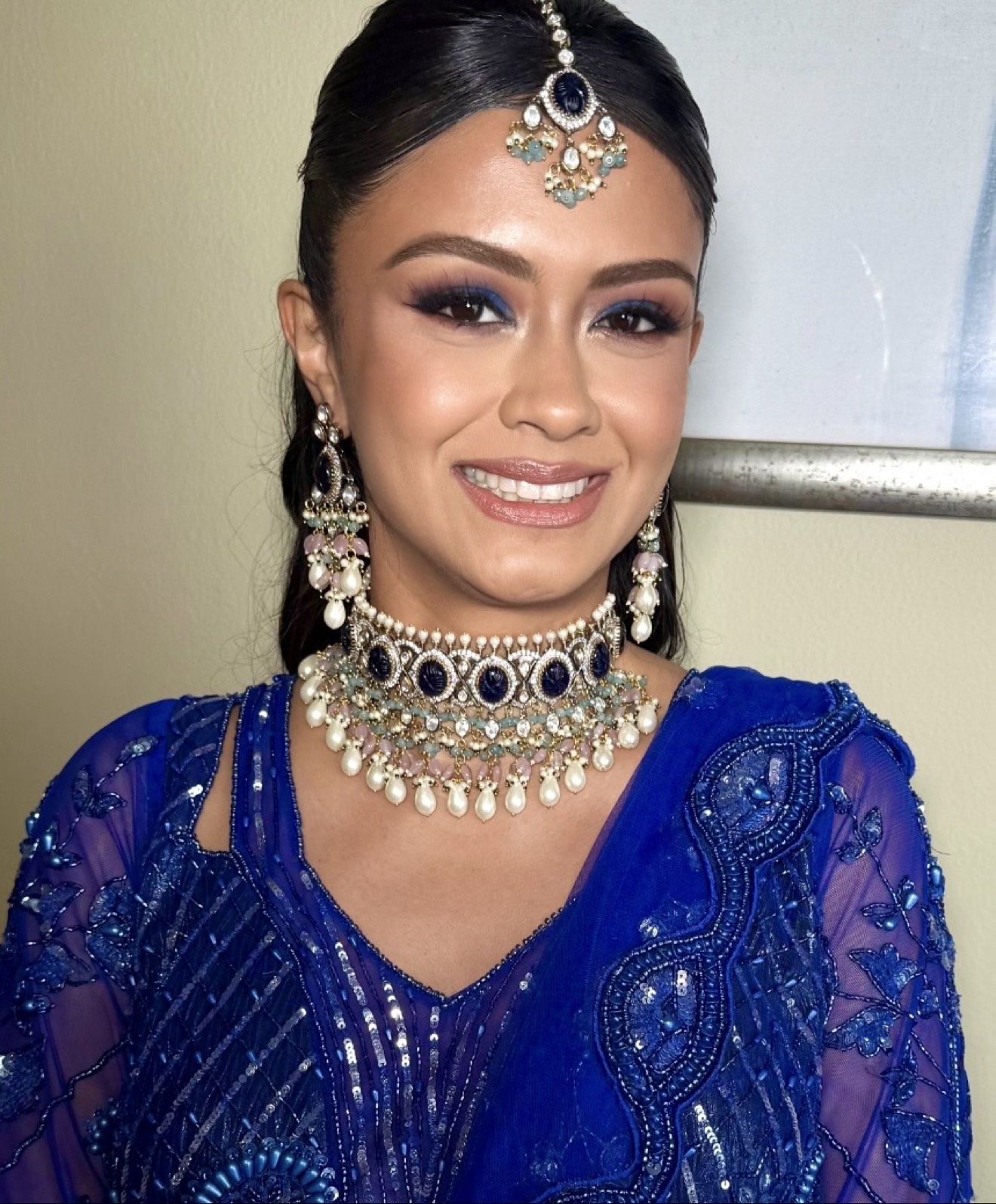
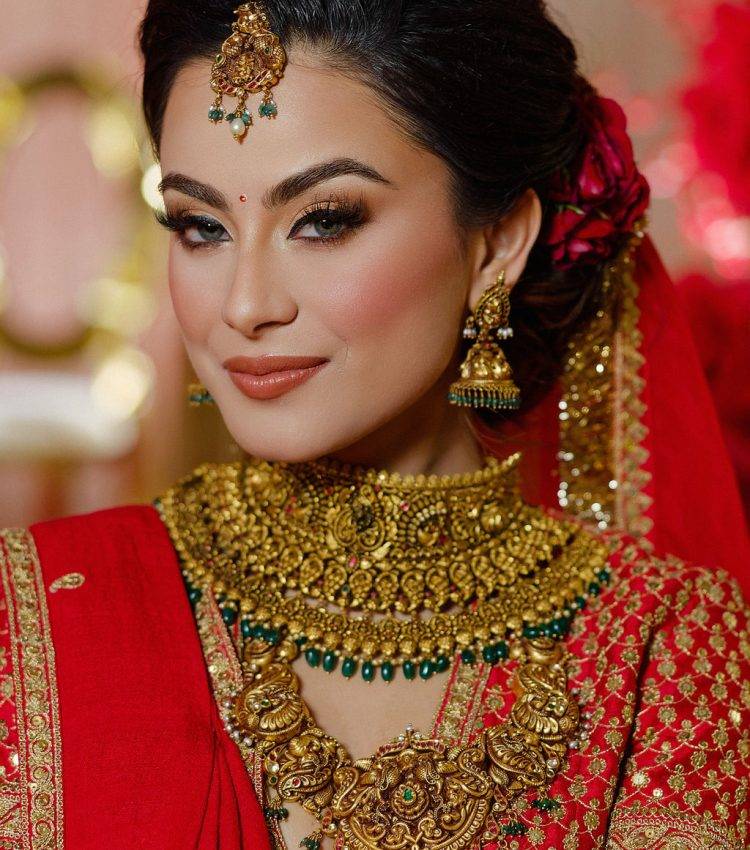
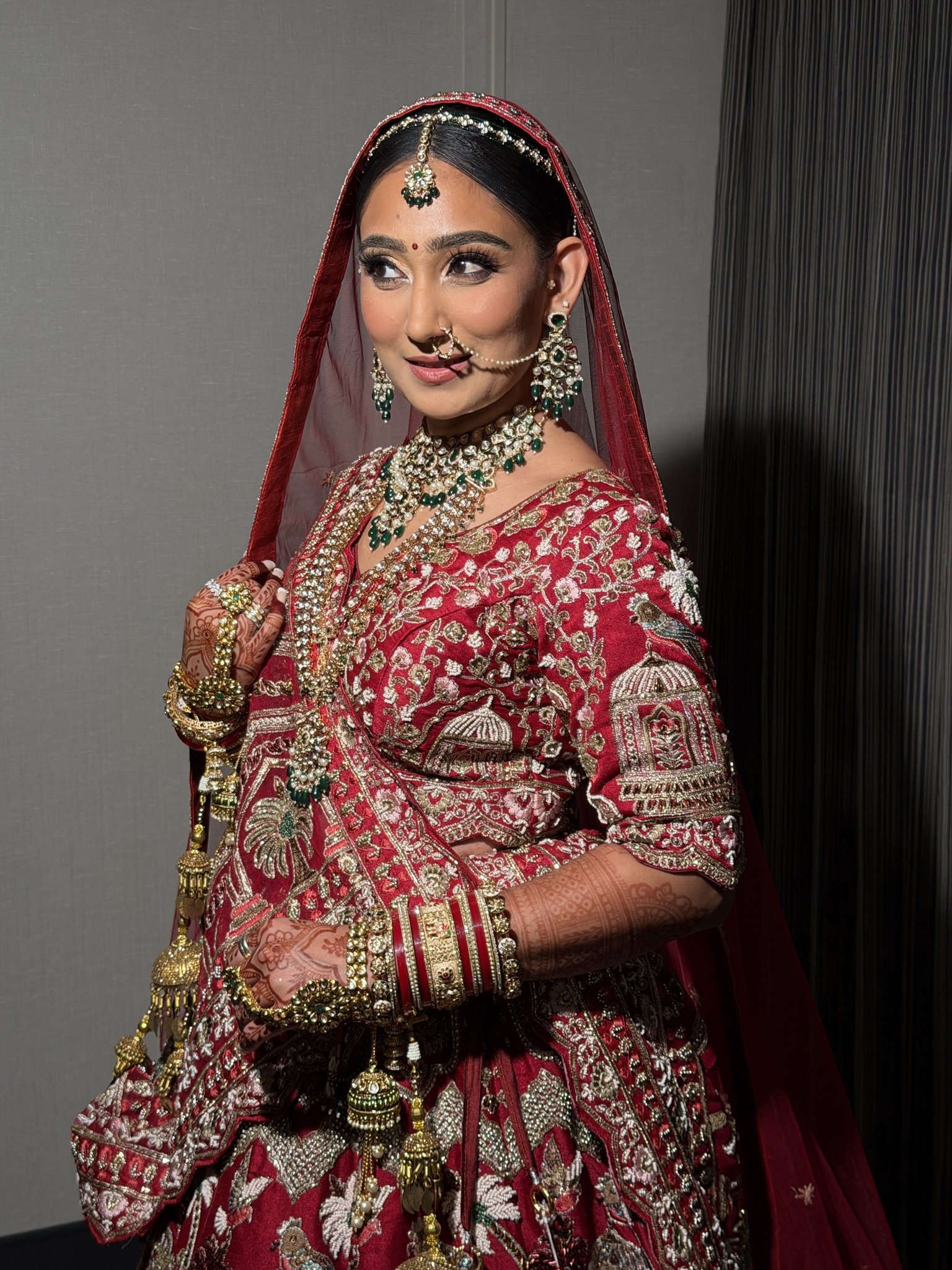
This is the veil drape: the dupatta drawn over the head, falling down both sides of the shoulders. It is the most traditional option, worn for the ceremony across North India, Pakistan, and Bangladesh, and it photographs with a softness nothing else achieves. The fabric frames your face in portraits, which is exactly why photographers love it.
It also has a practical advantage during the ceremony: once pinned at the crown, it stays put through the entire ritual without adjustment. The trade-off is coverage. An over-the-head drape conceals the neckline, so it works best when your embroidery lives at the hem, the sleeves, and the front of the blouse rather than at the throat. If your blouse carries its heaviest work at the neckline, save this drape for an event where softness and modesty lead, and let the neckline shine elsewhere.
The Gujarati Seedha Pallu
In the seedha pallu, the dupatta comes over the right shoulder and falls straight down the front, displaying the full border and pallu embroidery like a banner. Gujarati brides have worn it for generations as a statement of heritage, and the effect is unmistakable: the front panel becomes the centerpiece of every photograph.
Because the embroidery faces forward, this drape rewards a heavily worked border. It is less about movement and more about display. The seedha pallu suits the ceremony or the reception for brides with Gujarati roots, and it suits any bride who wants her dupatta’s craftsmanship visible in every frame. Keep the pleats neat and even at the shoulder, since the straight fall shows every wrinkle.
The Single-Shoulder Drape
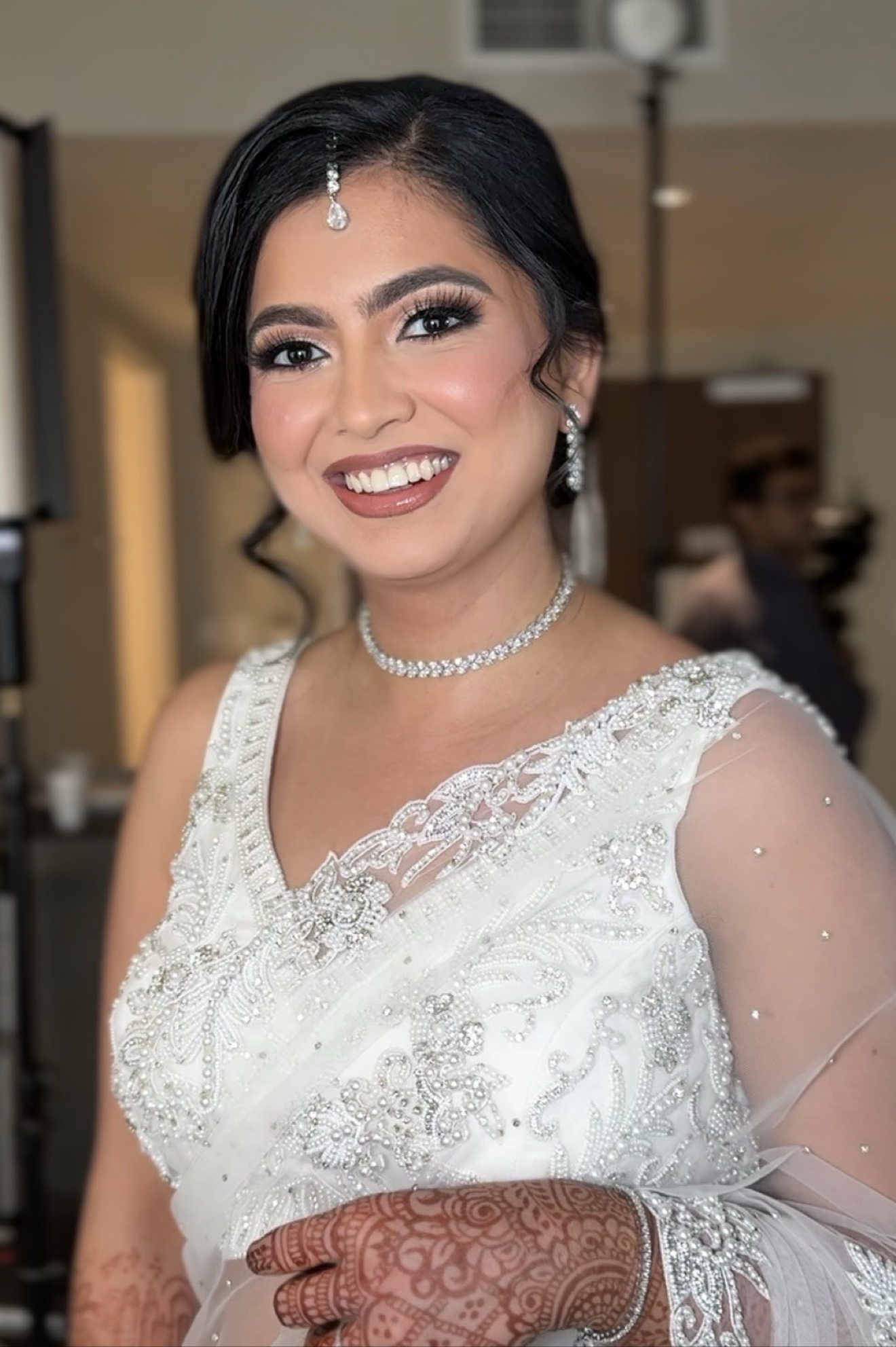
The single-shoulder drape lets the dupatta fall from one shoulder, usually the left, across the back and down one side. It is the modern default for receptions and sangeet because it leaves the neckline, the jewelry, and the blouse embroidery completely visible. Your choker, your neckline, your hair: all of it gets the stage.
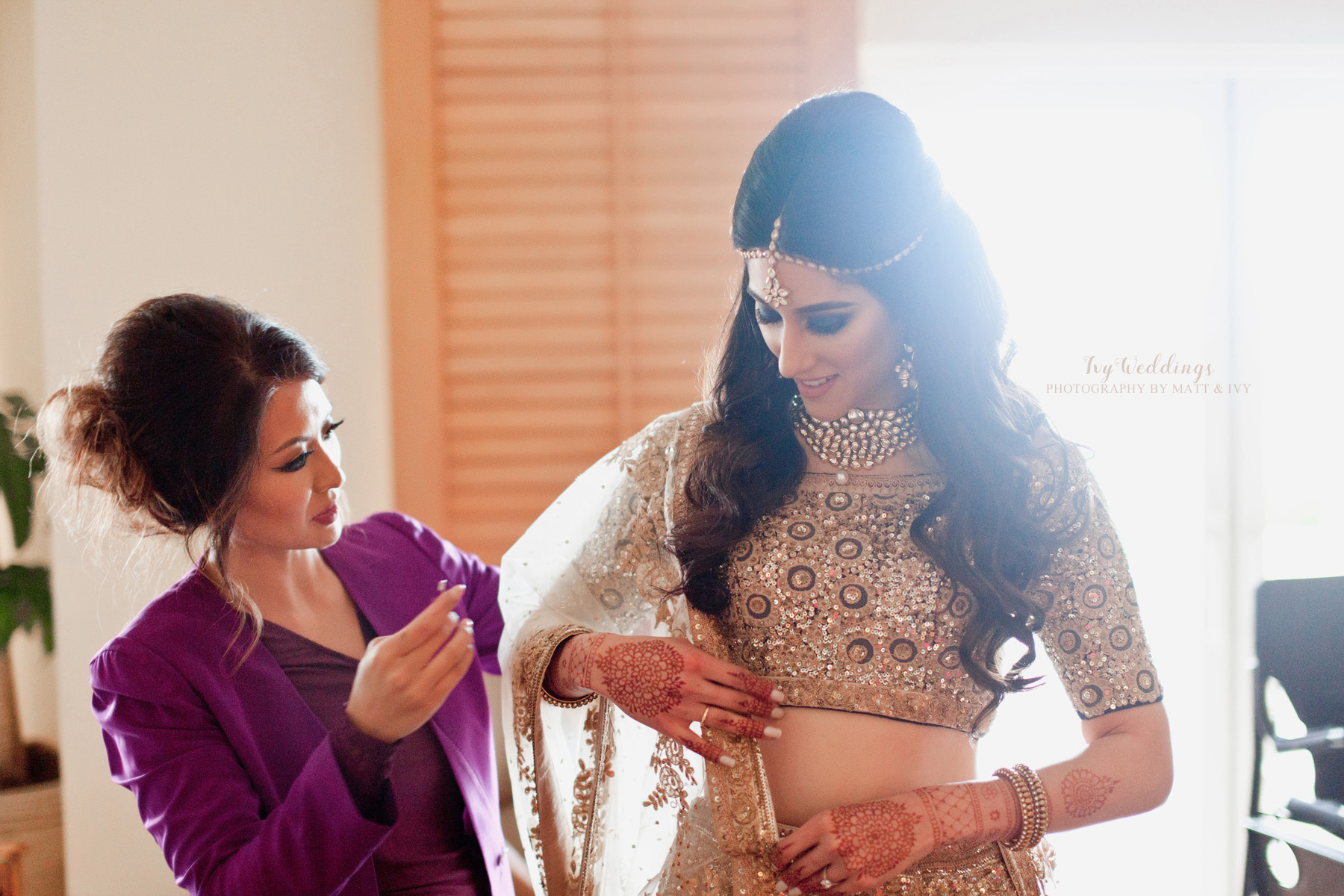
The catch is security. A single-shoulder drape held by nothing will slip, especially in chiffon or net. The professional answer is hidden pinning at three points: the shoulder seam, the back waist of the blouse, and a small anchor at the wrist or forearm if you want the pallu to trail over your arm for portraits. Ask whoever helps you dress to place the pins where the camera will never find them, and do a full movement test before the event: sit, stand, hug, dance.
Double Dupatta Styling
Two dupattas, one look. Usually a lighter dupatta goes over the head or across the body for softness, while a heavier, more embellished one takes the single-shoulder or front position for structure. Double dupatta styling is how brides wear a family heirloom alongside a new dupatta, or how they get both the veil effect and visible embroidery in a single look.
It is popular for the main ceremony and for receptions where the bride wants full bridal grandeur. The rule: the two fabrics should contrast in weight, not fight in color. Pair a sheer net heirloom with a structured embellished dupatta, or a pastel organza with a deep-toned one. Two heavy dupattas together will pull at your shoulders by hour three, and two busy borders will compete in every photograph.
The Belted, or Sash, Drape
A kamarbandh or fabric sash cinches the dupatta at the waist, turning flowing fabric into a defined silhouette. The belted drape is a reception and sangeet choice: it gives structure, shows the waistline, and keeps the dupatta exactly where you put it through hours of dancing.
It works beautifully with lehengas and gowns, and less well with shararas, where the sash can interrupt the wide-leg line. Choose a belt that echoes your jewelry metal, gold with gold, and keep it slim if your outfit is already heavily embroidered. The sash does the tailoring work, so the rest of the look can stay clean.
How Fabric Changes the Drape
Net is the most forgiving bridal fabric. It is light, it holds a soft shape, and it drapes over the head without collapsing. Net is the classic choice for the over-the-head ceremony drape and for double dupatta styling, where its sheerness keeps two layers from looking heavy.
Chiffon flows and moves, which makes it beautiful for the single-shoulder drape at sangeet and frustrating for anything that must stay exactly in place. Chiffon needs pinning, full stop.
Organza holds structure. It stands away from the body, creates architectural folds, and photographs with a luminous stiffness that suits the belted drape and formal reception looks. But organza creases, so keep a steamer on standby and set the pleats once, then leave them alone.
Velvet is the winter and evening fabric: rich, heavy, and dramatic. It suits the single-shoulder drape and the seedha pallu, where its weight becomes presence. Velvet does not do delicate, so pair it with simpler outfits and let the fabric be the statement. Plan for warmth under reception lighting.
Matching the Drape to the Event
Haldi: skip the dupatta or wear a simple single-shoulder drape in a light, washable fabric. You will be covered in turmeric paste. This is not the moment for heirloom net.
Mehndi: a light single-shoulder or belted drape in chiffon, pinned back so your hennaed hands stay free and the fabric stays clear of the dye.
Sangeet: this is the belted drape’s night. You will dance, and the sash keeps everything in place while showing the outfit’s structure. A single-shoulder chiffon drape is the softer alternative.
Ceremony: the classic over-the-head drape for tradition and stillness, the seedha pallu for Gujarati heritage, or double dupatta styling if you want the veil and the embroidery both.
Reception: the single-shoulder drape to show the neckline and jewelry, or the belted drape for structure. This is also where double dupatta styling earns its place if you are repeating a ceremony outfit with a new twist.
How Draping Reshapes Your Silhouette
Draping is tailoring without a needle. An over-the-head drape softens the shoulders and lengthens the torso, which flatters petite brides and balances a heavily worked skirt. The seedha pallu creates a strong vertical line down the front, adding height and drawing the eye to the embroidery. It is the most elongating drape of the five.
The single-shoulder drape is asymmetric by nature, which slims the waist visually and shows the most skin: a modern, open silhouette. The belted drape defines the waist explicitly and gives an hourglass structure, ideal under reception lighting where shape photographs better than softness. Double dupatta styling adds volume at the shoulders and frames the face twice over, which reads as grandeur in wide ceremony shots and can overwhelm a very petite frame if both layers are heavy.
Choose the drape for the silhouette you want the camera to see, then choose the fabric that will hold that shape for the hours you need it. Made once, in advance, this decision never has to compete with wedding-morning chaos.
FAQ
Can I wear the same dupatta drape for every event?
You can, but you will get more from your wardrobe if you vary it. One drape across five events makes distinct outfits blur together in photographs. Even a small change, from an over-the-head drape at the ceremony to a single-shoulder drape at the reception, gives each event its own identity.
How do I keep my dupatta from slipping all day?
Hidden pinning at the shoulder seam, the back waist of the blouse, and the wrist, plus a full movement test before the event: sit, stand, hug, dance. Chiffon and net need more pins than organza or velvet. Ask whoever helps you dress to place the pins where the camera cannot find them.
Which drape is most flattering for a petite bride?
The seedha pallu and the single-shoulder drape both add height, one with a long vertical line and the other with asymmetry. If you love double dupatta styling, keep both layers light, since two heavy dupattas can overwhelm a smaller frame.
Should my dupatta match my outfit exactly?
Coordinate, not match. The dupatta should share a color story or embroidery language with the outfit, but an identical match can look flat in photographs. Contrast in weight or tone is what gives the look depth.
A final note
A final note: If you would like every one of these decisions, the drape for each event, the fabric, the silhouette, planned for you in advance, that is exactly what Bridal Creative Direction is for. It is a separately booked, extended virtual experience with personal consultations, beauty look planning, styling guidance, mood boards, and a personalized Bridal Lookbook. Your outfits, jewelry, accessories, draping, hair, and makeup are considered together to create cohesive, complete looks across your booked events. It begins with an application form, followed by a fit call: https://jtorryart.com/bridal-creative-direction/