
By Jenny Torry | JTorry Makeup + Hair Artistry
Three outfits. Different jewelry. A ceremony dupatta, an evening hairstyle, and photographs you’ll keep for a lifetime.
Your wedding looks involve many decisions, and choosing a separate inspiration photograph for each event is only the beginning.
The real work is understanding how those ideas come together on you.
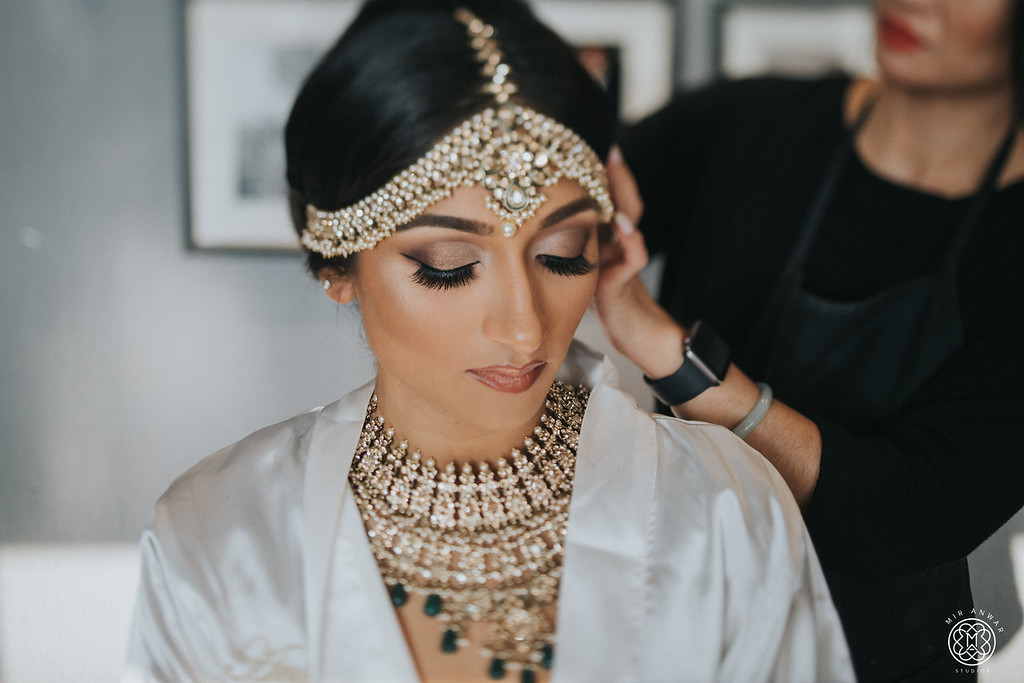
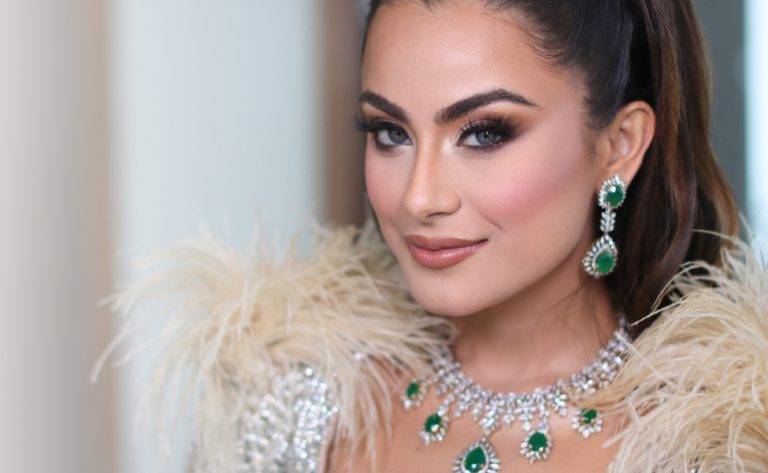
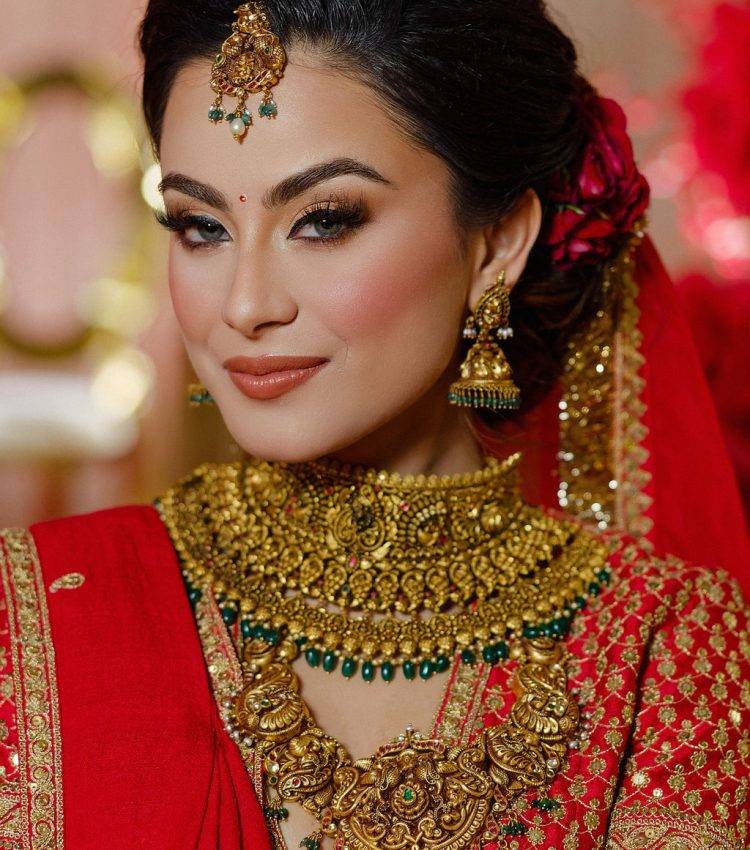
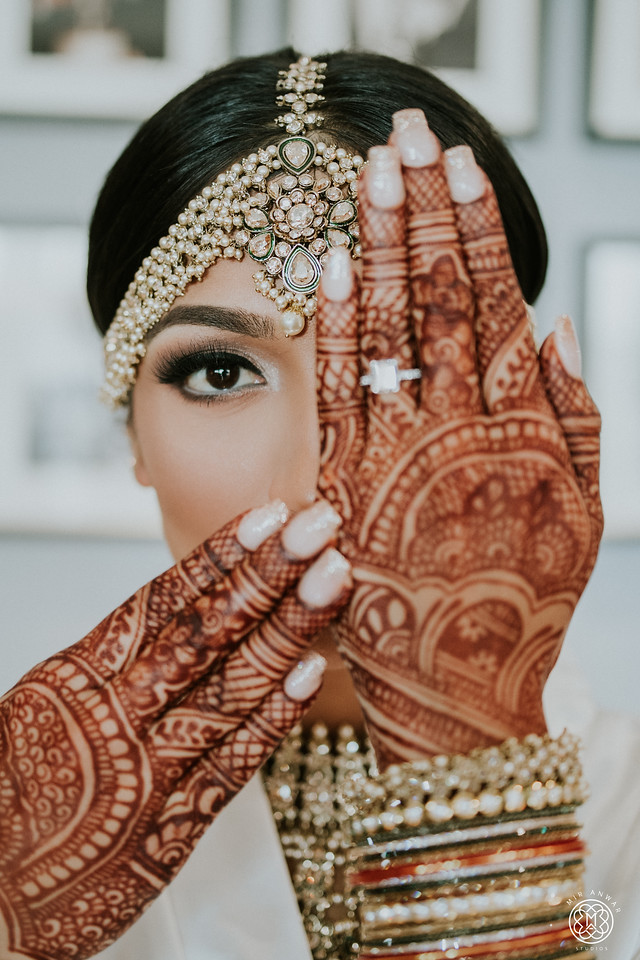
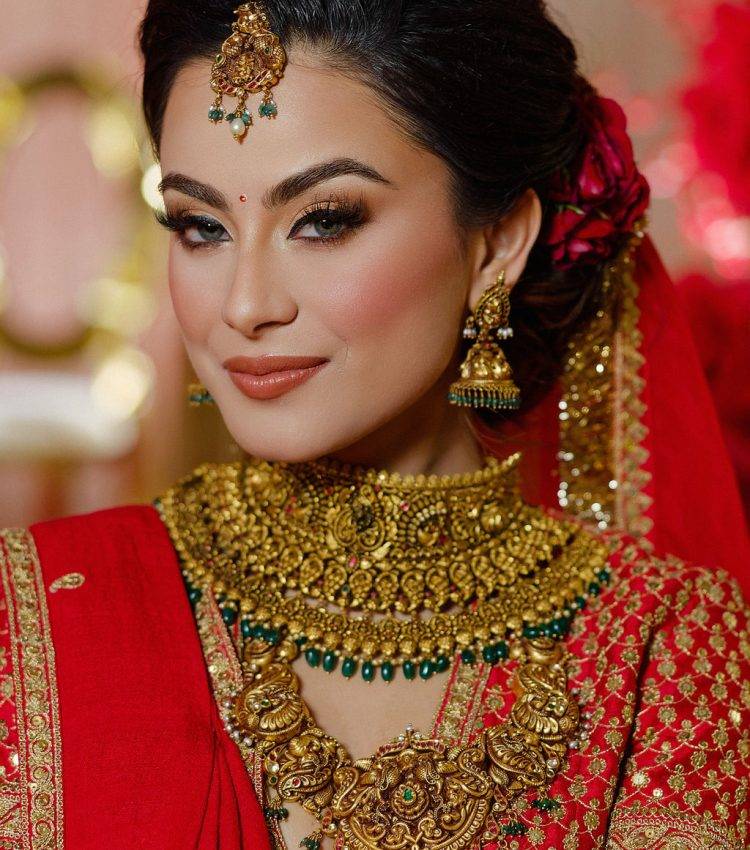
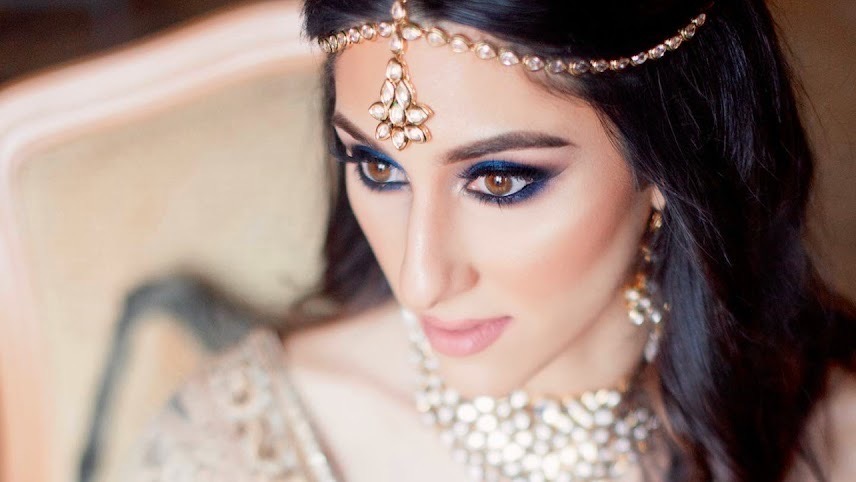
When planning South Asian bridal makeup in Dallas, consider your celebrations as a complete collection. Each look can have its own expression while still reflecting your features, personal style, and traditions.
Here is how I encourage brides to approach the planning process.
Start With How You Want to Feel at Each Event
Before choosing eyeshadow colors or hairstyles, describe the experience you want.
Do you want your Sangeet look to feel playful and expressive? Your ceremony look to feel refined and connected to your traditions? Your reception look to feel polished and dramatic?
There is no required formula. You might prefer softer makeup throughout your wedding or enjoy a stronger transformation between events.
Start with your preferences. Then consider how to execute them.
Why this matters: Words such as “glam” and “natural” mean different things to different people. Explaining how you want to feel gives your artist more useful direction than choosing a label alone.
Ask your artist: “How would you interpret these different moods while keeping every look recognizable as me?”
Review Your Outfits, Jewelry, and Beauty Inspiration Together
Your makeup exists within a complete look.
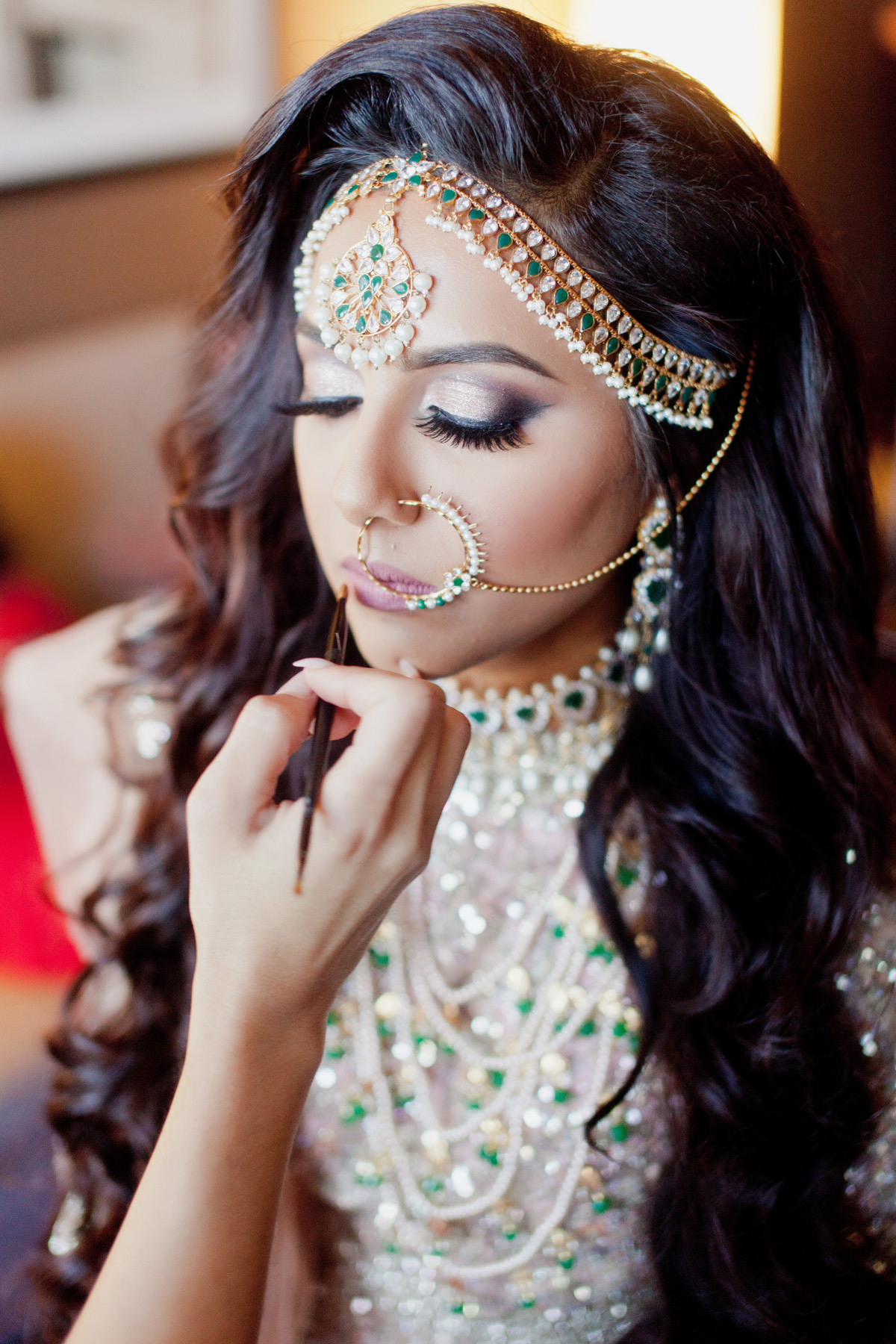
A neckline changes how much space you see around your face. A headpiece introduces shape and detail. The placement of your dupatta affects how your hairstyle frames you.
Before finalizing beauty decisions, gather photographs of:
- Each outfit, including the neckline and embroidery.
- Earrings, necklaces, and headpieces.
- Dupattas, veils, and hair accessories.
- Makeup and hair inspiration for each event.
Label everything by event. Explain what you like about each reference rather than asking your artist to copy it exactly.
You may love the softness of one makeup look and the definition of another. Those are useful distinctions!
Why this matters: Reviewing the details together helps your artist identify what complements your styling and what may need adapting. It also prevents decisions from being made around an incomplete picture.
Ask your artist: “Looking at my outfit and accessories together, what would you recommend for the hair and makeup?”
Give Each Event a Distinct Look Without Changing Everything
Variety doesn’t require a completely different face at every celebration.
A change in lip color, eye definition, hair silhouette, or accessory placement can create a meaningful difference. You can preserve the elements that make you feel most comfortable.
For example:
| Event | Possible beauty direction | Planning consideration |
|---|---|---|
| Sangeet | Expressive eyes, a fresh complexion, or a playful hairstyle | Movement, dancing, and accessory security |
| Ceremony | Personalized makeup with hair planned around cultural styling | Dupatta weight, headpieces, and dressing needs |
| Reception | More definition, a different lip, or a new hair silhouette | Transition time and compatibility with the earlier hairstyle |
These are starting points, not rules.
Why this matters: Intentional variation lets each event feel special without pressuring you to wear a style that doesn’t suit you simply because it is “different.”
Ask your artist: “Which elements could we change to create variety while keeping the features I love?”
Plan Your Ceremony Hairstyle Around Your Dupatta
If you will wear a dupatta over your head, discuss it before committing to the hairstyle.
Share its weight, fabric, border, and intended placement. Include photographs of your maang tikka or other headpieces and explain any ceremonial preferences that affect your styling.
Your artist should consider the hairstyle, accessories, and draping together.
A photograph of an uncovered updo may inspire the shape, but the finished style could need different support or placement for your bridal dupatta.
Why this matters: Planning these elements together helps create a look that is visually balanced and considers your comfort. You should understand how everything will be positioned before the wedding morning.
Ask your artist: “How will this hairstyle support my dupatta and work with my headpiece?”
Work Backward From Your Ready-by Time
Your ceremony start time is not necessarily your beauty deadline.
You may need to be dressed earlier for portraits, a first look, family photographs, or travel. Dressing and final accessory placement also need space in the schedule.
Confirm the ready-by time with your photographer or planner, then share it with your artist.
Include the full sequence:
- Hair and makeup.
- Dressing.
- Dupatta and jewelry placement.
- Final adjustments.
- Photographs before departure.
- Travel, if applicable.
Why this matters: A schedule built around the ceremony time alone can overlook the moments that happen before it. Planning backward makes the actual deadline clear.
Ask your artist: “What start time do you recommend based on when I need to be fully dressed and ready for photographs?”
For the full planning picture across a DFW wedding week, see Planning Bridal Hair & Makeup for Your DFW Wedding.
Discuss Same-Day Transitions Before Booking Your Looks
A ceremony and reception on the same day introduce practical questions.
How much time is available between them? Will you return to the same room? Are you changing outfits and jewelry? Does your desired reception hairstyle work with the preparation used for the ceremony?
Tell your artist which changes matter most to you.
If reception waves are a priority, for example, discuss how the earlier hairstyle could affect them. If time is limited, ask which refinements will create the strongest visual change within the available window.
Why this matters: A transition is an appointment with its own requirements. Planning it early helps you choose looks that can be executed within your actual schedule.
Ask your artist: “What would this transition involve, and how much time should we reserve?”
Use Your Bridal Trial to Resolve the Biggest Questions
Bring your event plan to your trial.
Identify the decisions you feel least certain about. Perhaps you know you love your reception inspiration but need help with ceremony eye makeup. You may be comfortable with your makeup preferences while feeling unsure about hair volume or face framing.
Confirm beforehand which look and hairstyle the trial will cover. Don’t assume a multi-event booking means every look will be fully applied at that appointment.
During the trial, discuss how the tested elements relate to your other events.
Why this matters: A trial is most useful when it resolves specific uncertainties and creates a clear reference for execution. It should help move your planning forward.
Ask your artist: “Which makeup look and hairstyle would be most useful to test, considering all my events?”
For a closer look at what the appointment can settle, read Why Your Indian Bridal Hair & Makeup Trial Matters.
Include Family Services in the Plan Early
Your own looks may be the priority, but family appointments can affect the same space and schedule.
Confirm who needs makeup, hair, saree draping, or dupatta styling. Share their ready-by times and getting-ready locations.
Avoid relying on “we’ll see who wants services that morning.” Additional requests may not be possible within the booked team’s capacity.
Why this matters: Early service counts allow appropriate staffing and scheduling. Your bridal appointment and your family’s preparation both deserve a clear plan.
Ask your artist: “When do you need our final service count, and how will family appointments fit around my bridal services?”
Keep Your Features at the Center of Every Look
With multiple events comes plenty of inspiration. It can also become easy to lose sight of your own preferences.
You do not need heavier makeup simply because one outfit is more elaborate. You do not need a different brow shape for every event. Your features remain the foundation.
As an artist, I consider how color, placement, proportion, and hair shape work together. The aim is to create variety with intention while keeping you comfortable in your reflection.
Why this matters: Your wedding photographs should feel connected to the woman you recognize. A collection of looks can be expressive and refined while remaining authentically yours.
Ask your artist: “How will you adapt these references to my features rather than recreate them exactly?”
Your Multi-Event Bridal Beauty Checklist
Before finalizing your plan, make sure you have shared:
- Event dates, locations, and ready-by times.
- Outfit and accessory photographs for each celebration.
- Your preferred makeup finish and level of definition.
- Hair inspiration and any extension questions.
- Dupatta, veil, and cultural styling requirements.
- Same-day transition windows.
- Bridal party and family service needs.
- Decisions to explore during the trial.
Keep the information together and communicate changes as they happen. Replacing an outfit or adding a headpiece may affect an earlier styling decision.
Plan Your South Asian Bridal Makeup in Dallas With JTorry
Your wedding looks should feel thoughtfully connected, from the first celebration to the final reception.
At JTorry, we consider your features, preferences, outfits, and traditions when planning your booked bridal looks. Explore our bridal hair, makeup, and styling services to understand the experience.
Ready to begin planning your South Asian bridal makeup in Dallas? Share your wedding date and event details so we can check availability.
Each celebration deserves its own expression. Every look should still feel like you.
Bring Your Wedding Looks Together With JTorry
Your Sangeet, ceremony, and reception deserve their own expression while still feeling unmistakably like you.
Explore our personalized Indian bridal hair and makeup in Dallas to see how JTorry approaches your complete bridal look, then share your wedding date and event details to begin.