By Jenny Torry | JTorry Makeup + Hair Artistry
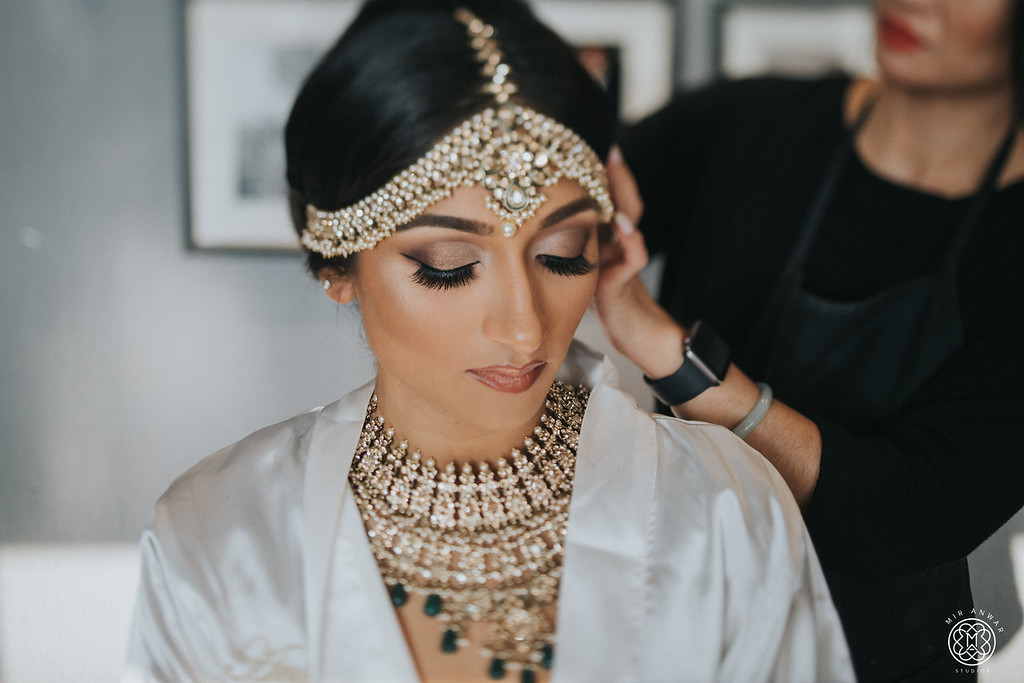
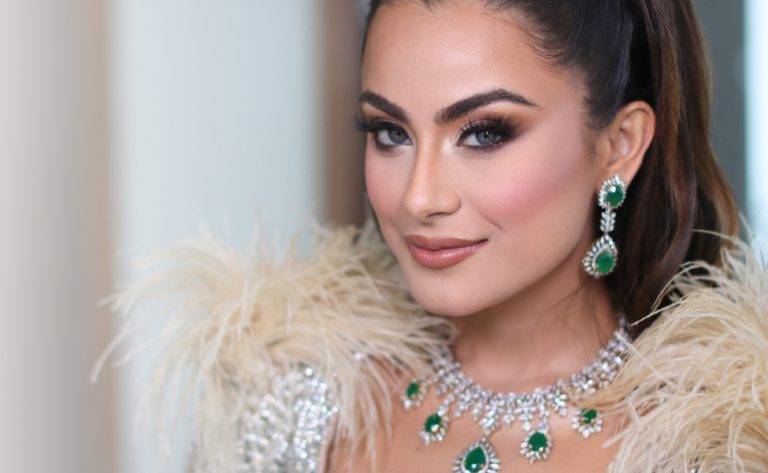
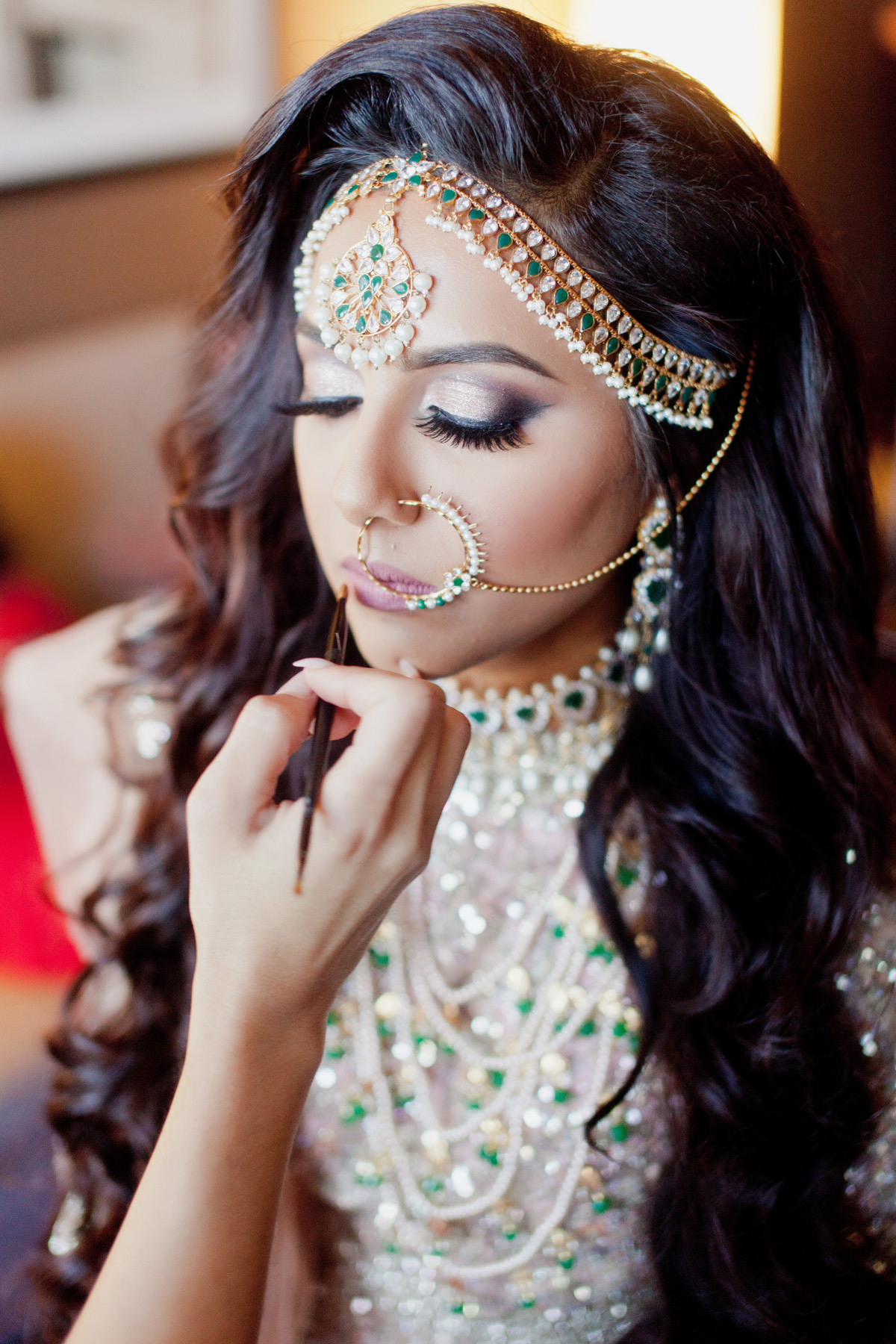
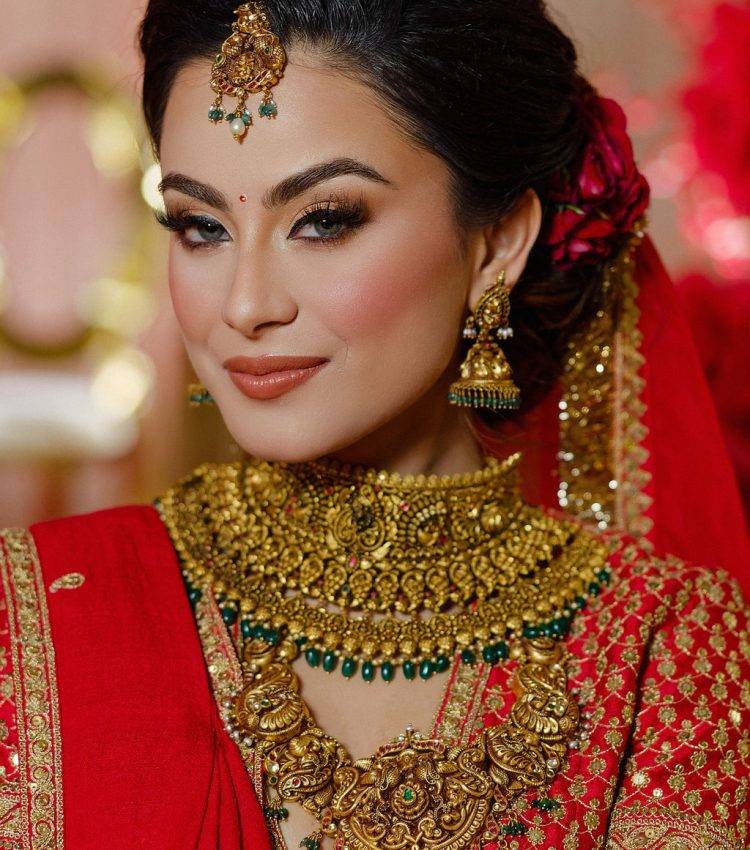
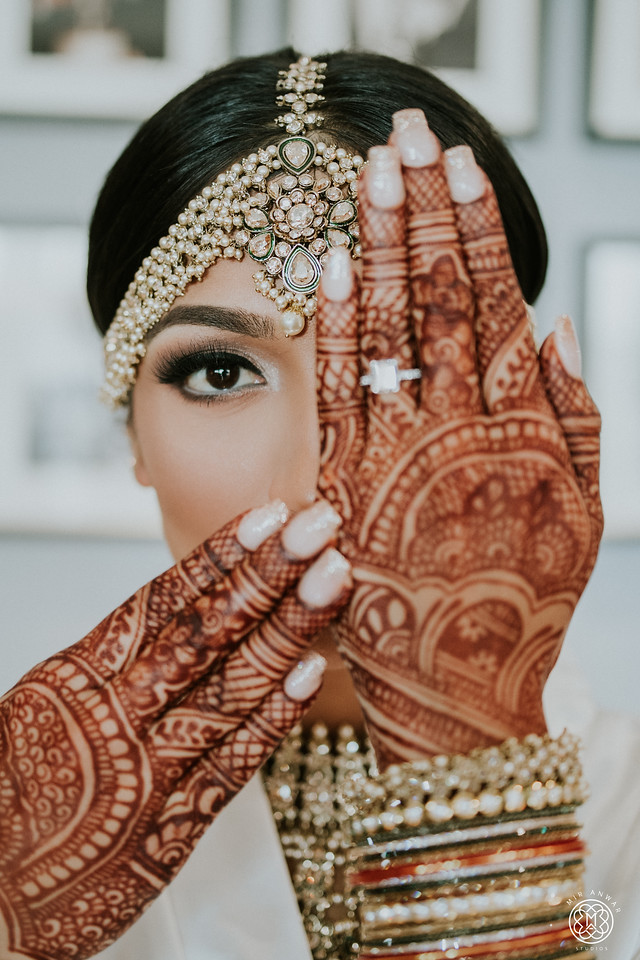
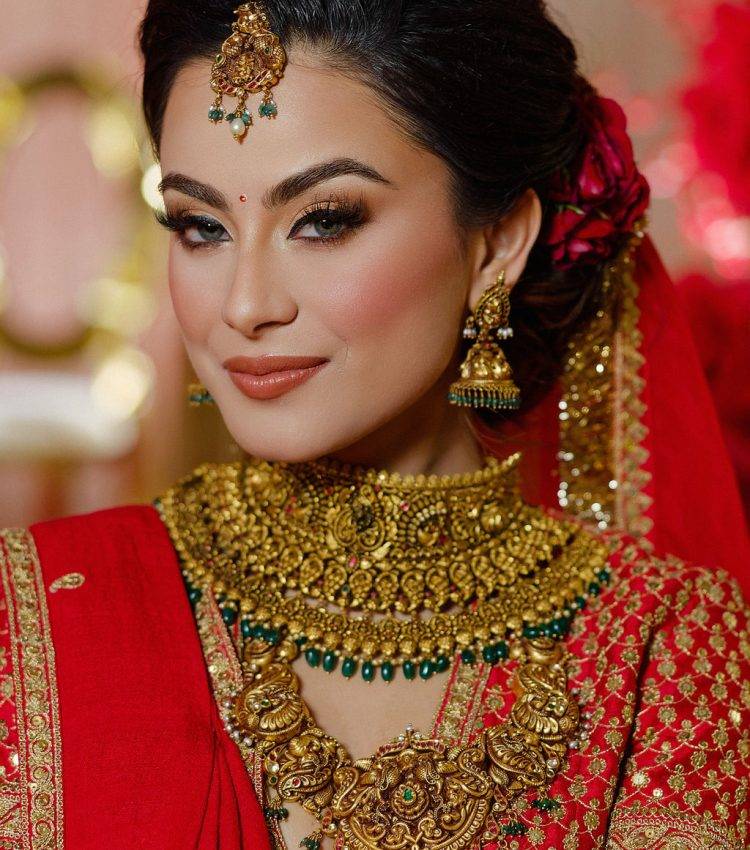
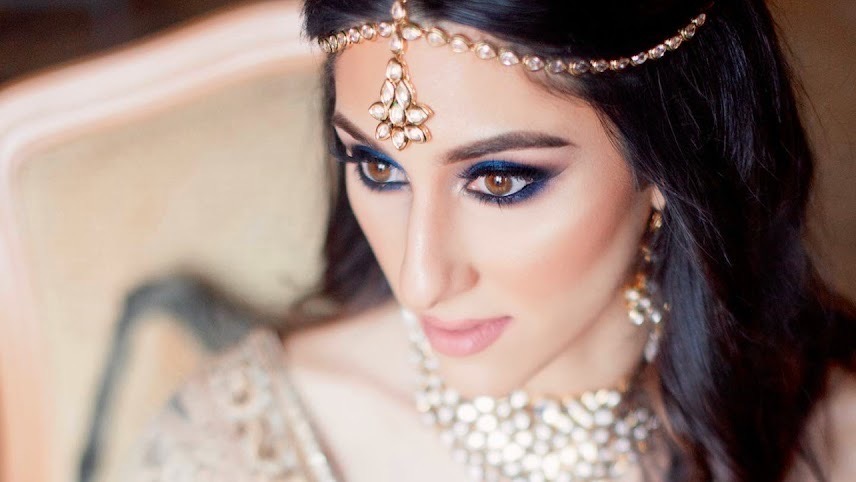
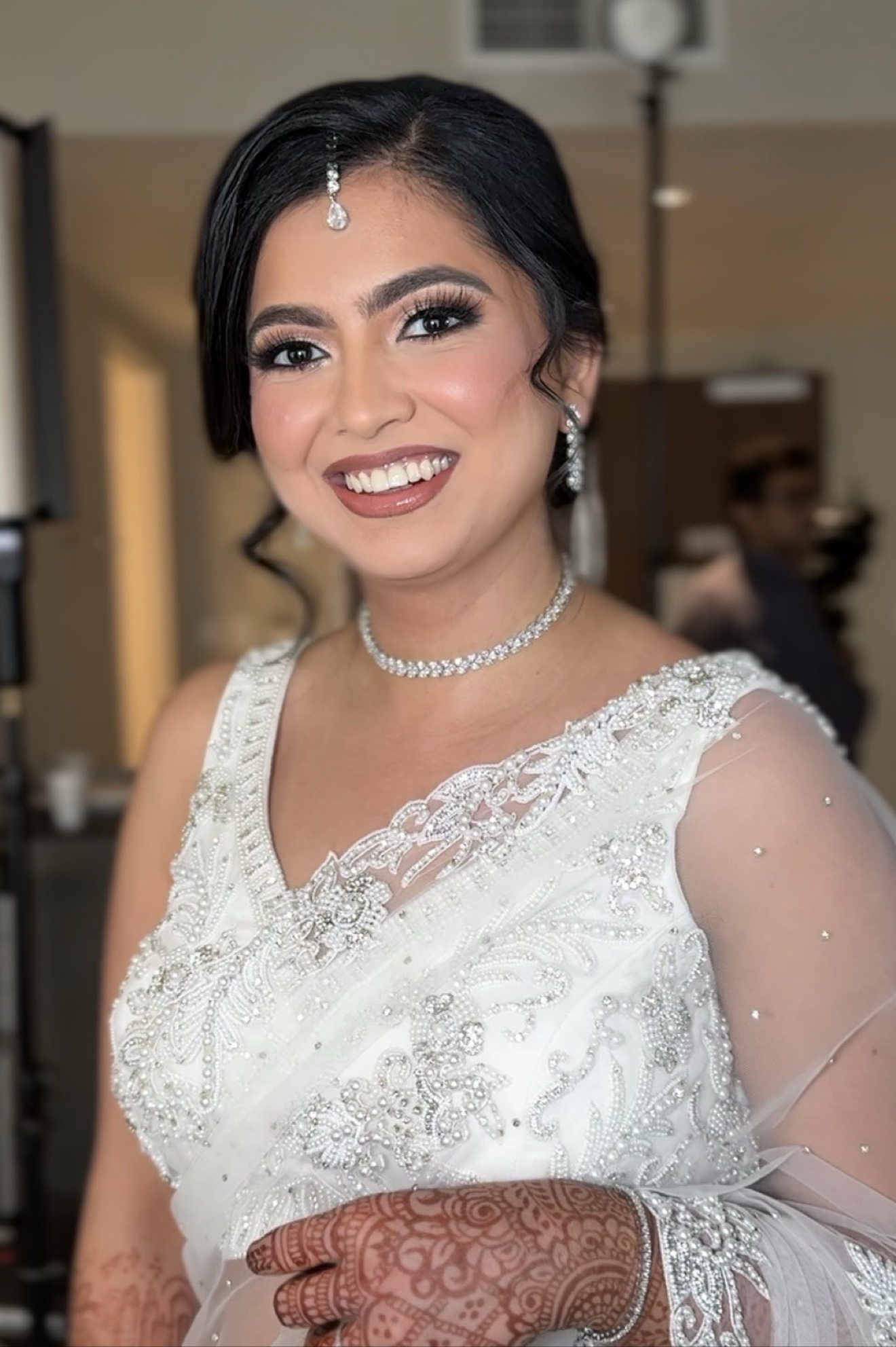
A beautiful makeup photo shows you what an artist can create. It doesn’t show you the months of preparation that help bring that bridal look, and the experience behind it, to life.
How will she care for you at 5 a.m. on your wedding day, and support you in the months leading up to it? Will you have a bridal trial to explore your preferences and refine the details? Will she plan your looks around your features, outfits, jewelry, and the weight of your bridal dupatta? How will your Sangeet, ceremony, and reception looks come together so each feels distinct while still feeling like you?
Peace of mind doesn’t come from trusting your makeup artist blindly. It comes from seeing that she understands you, listens to your concerns, and has a thoughtful plan for the details you’re trusting her to handle. If you value looking like an elevated version of yourself as a bride, that understanding should be reflected throughout your experience.
Those details matter.
Choosing an Indian bridal makeup artist in Dallas means finding someone whose artistry, cultural understanding, and preparation fit your celebration. You want to love your reflection, and feel confident about the person guiding your beauty experience.
Here are the questions I encourage brides to ask before booking.
Look for Consistency, and Brides Who Still Look Like Themselves
Understanding your vision and executing it are two different things. An artist may understand what you want, but her work should show that she can translate that understanding into a beautifully finished bridal look. That is why consistency matters.
If you’re a bride who values looking like an elevated version of yourself, look for that quality throughout the artist’s portfolio. Each bride should have her own expression of beauty, with consistently refined work across different faces, complexions, skin textures, and wedding events.
Look closely. Does the bride look cohesive, or does something feel off? Does one detail stick out like a sore thumb, drawing your attention away from her face and the complete look?
You don’t have to be a makeup artist to notice it.
Understand the Difference Between Preference and Execution
One misconception is that you need to understand makeup techniques to recognize when something doesn’t look balanced. You may not know exactly why a lip shape feels uneven or why the eyes seem disconnected from the rest of the face. You can still notice the result.
But an unfamiliar style isn’t automatically poor artistry. The distinction is between a choice you wouldn’t make for yourself and how skillfully that choice has been executed.
Take a red lip.
You might never choose one for your own wedding. Yet you can look at a bride wearing red lipstick and appreciate how beautifully it suits her. The shape is intentional, the edges are refined, and the color works with her complexion, eye makeup, and complete styling. Your preferences differ, but her look comes together.
Now imagine that same red lip with a visibly crooked outline, uneven corners, or a shape that appears unintentionally distorted. Those are execution concerns. “Maybe the bride wanted that” shouldn’t automatically explain away details that repeatedly look unfinished across an artist’s portfolio.
A bold lip can be the focal point. It should still feel thoughtfully integrated.
Your Artist Should Guide You, and Have the Skills to Deliver
There is a difference between a bride choosing a look with informed guidance and accepting a result because it is the only version an artist knows how to create. That distinction deserves more attention.
Your bridal artist’s role includes explaining how your preferences can work with your features, offering recommendations, and executing your agreed vision with care. That takes technical skill, education, and judgment.
A photograph alone cannot tell you what a bride requested or how she felt. Look for patterns rather than making assumptions about one image. If the same uneven application, disconnected colors, or unfinished details appear repeatedly, take that seriously.
You don’t need to diagnose every technique to decide an artist’s work isn’t right for you.
As an Indian bridal makeup artist in Dallas, I want your inspiration to guide our conversation while your own features guide the artistry. You deserve to recognize yourself as a bride, and see the skill behind how intentionally every detail comes together.
Ask Your Artist
“Can you show me examples of brides with similar features or preferences and explain how you personalized their looks?”
Then ask:
“How would you adapt my inspiration photos to my face and eye shape?”
“If something I request needs adjusting, how will you guide me?”
“How will we evaluate the complete look during my bridal trial?”
Why this matters: Her answers help you understand the decisions behind the photographs. Listen for specific explanations about your features, preferences, and styling, not simply reassurance that she can recreate any look.
Look for Consistency, and Brides Who Still Look Like Themselves
If you’re a bride who values looking like an elevated version of yourself, recognizably you, beautifully styled for your wedding, this is for you.
Look for consistency in the artist’s portfolio. Not identical looks. Consistently thoughtful work across different faces, complexions, skin textures, and wedding events.
Do the brides still look like themselves? Is the complexion work refined? Do the eyes, brows, and lips feel balanced with each bride’s features? Does the complete look work with her outfit, jewelry, and traditions?
One beautiful photograph can catch your attention. A portfolio of consistently beautiful real brides gives you more evidence of the artist’s approach.
As an Indian bridal makeup artist in Dallas, I want your inspiration to guide our conversation while your own features guide the artistry. You don’t need someone else’s face to feel beautiful as a bride. You deserve to see yourself, and love how intentionally every detail comes together.
Look for Brides Who Still Look Like Themselves
Start with the portfolio. Then look closer.
Can you see the bride’s individual features, or does every face receive the same brows, eye shape, contour, and coverage? Look for thoughtful variation across complexions, ages, skin textures, and personal styles.
Your inspiration photos are useful. Your face should guide the finished look.
What to look for in bridal photographs
Review close-ups and complete bridal portraits. Notice whether the foundation connects naturally with the neck and chest, whether lashes complement the eyes, and whether the hairstyle works with the jewelry and neckline.
Ask to see photographs from real weddings alongside professional beauty portraits. Different lighting and angles give you more context than one carefully selected image.
Ask your artist: “Can you show me a bride with similar features or a similar makeup preference, and explain how you personalized her look?”
Ask About Your Specific Cultural Styling Needs
Indian weddings encompass different traditions, preferences, and approaches to bridal dressing. An experienced artist should ask what matters to your family and ceremony rather than assume every bride needs the same styling.
Be specific.
Will you wear a dupatta over your head? Are you planning a traditional braid, fresh flowers, a maang tikka, or additional hair ornaments? Will someone help with your outfit?
Discuss the dupatta before choosing the hairstyle
A hairstyle and a bridal dupatta need to work together. Fabric weight, placement, headpieces, and your comfort all influence the plan.
Bring clear photographs of your actual accessories, not just inspiration, to the planning conversation. If you have the pieces available for your trial, ask which ones to bring.
Ask your artist: “How will you plan my hairstyle around my dupatta and headpiece, and which styling services are included?”
Plan Your Events Together
Your Sangeet, ceremony, and reception can each have a distinct mood while still feeling connected to you.
Before booking an Indian bridal makeup artist in Dallas, share your full event schedule. Include outfit changes, photography times, travel between locations, and any period when your hair and makeup must be completely refreshed.
A dramatic change takes planning.
For example, moving from a structured ceremony updo to reception waves involves more than removing pins. The original preparation, accessories, available hair, and transition time all affect what is practical.
Ask your artist: “Are my preferred look changes achievable within our schedule, and what would you recommend adjusting?”
Choose Your Makeup Finish Before Choosing the Application Method
“Airbrush or traditional?” is a common bridal question. First, explain the result you want.
Do you prefer visible skin with selective coverage? A polished satin finish? More definition around the eyes? Bring examples and describe what you like about each one.
Airbrush describes how foundation is applied. It does not automatically mean natural makeup, just as traditional foundation does not automatically mean heavy coverage.
Ask your artist to explain the recommendation in relation to your skin, preferred finish, and wedding conditions. A useful consultation should help you understand the choice.
Understand What Your Bridal Trial Includes
A trial should give you room to discuss, evaluate, and refine your look.
Before scheduling, confirm:
Whether the trial takes place before or after booking.
How many makeup looks and hairstyles you will receive.
Which outfits, jewelry, and accessories to bring.
How feedback and agreed changes will be documented.
Whether there is a separate trial fee.
During your trial, be precise about your feedback. “I want less fullness at the outer corners of my lashes” gives your artist clearer direction than “something feels off.”
You deserve to speak openly. Your artist also needs enough information to guide you well.
For more on why that appointment matters so much, read Why Your Indian Bridal Hair & Makeup Trial Matters.
Confirm Who Will Serve Your Bridal Party and Family
Your bridal appointment is only one part of the morning when mothers, bridesmaids, and relatives also need services.
Share a realistic headcount early. Separate hair, makeup, and draping requests, and include each person’s required ready time.
Ask who will personally provide your bridal services, who will serve your guests, and how additional artists are coordinated. Confirm whether everyone must get ready at the same location.
Ask your artist: “What team and schedule would you recommend for our service count and photography deadline?”
Compare the Full Experience Behind the Price
Two proposals may both say “bridal hair and makeup” while including very different support.
Check the details before comparing totals.
| Detail to confirm | Why it matters |
|---|---|
| Event coverage | Establishes which appointments and look changes are booked |
| Trial and planning | Clarifies how your preferences will be developed |
| Dupatta and accessory styling | Defines who completes these finishing details |
| Extensions | Separates purchase costs from placement and styling |
| Travel and early starts | Helps you understand the complete investment |
| Touch-ups or extended attendance | Clarifies when the artist’s service ends |
| Agreement and retainer | Explains how your date is reserved |
Clear answers help you make an informed decision. They also prevent you from assuming a service is included when it hasn’t been booked.
What to Expect From JTorry
At JTorry, I bring more than 18 years of experience to personalized bridal hair, makeup, and cultural styling. Your booked experience includes beauty planning, a private bridal portal, and one in-person hair and makeup trial after booking. Bridal party services are optional additions, while extended Bridal Creative Direction & Styling is a separately booked service. You can review the full details on our bridal services page.
My perspective is simple: your features, preferences, and traditions should inform the look. You should understand what is planned and feel comfortable asking questions.
Questions to Ask Before You Book
When speaking with an Indian bridal makeup artist in Dallas, keep these questions nearby:
Are you available for all my event dates?
Who will personally provide my bridal hair and makeup?
Can I see relevant examples of your work?
How do you plan around my outfits, jewelry, and cultural styling?
What does the trial include?
Can you accommodate my family’s services and ready times?
What is included in the proposal, and what costs extra?
What completes my booking and reserves my date?
The takeaway? Choose an artist who can explain how the complete look and experience will work for you. Beautiful images begin the conversation. Thoughtful answers help you make the decision.
If you are still narrowing down your options, Finding an Indian Bridal Makeup Artist in Dallas can help you begin.
Begin Your JTorry Bridal Experience
Choosing your Indian bridal makeup artist in Dallas starts with finding artistry you trust and a planning process that helps you feel understood.
Explore the JTorry experience, view our bridal work, and share your wedding date so we can check availability. Your features, traditions, and preferences deserve thoughtful attention, from preparation through the final touches.