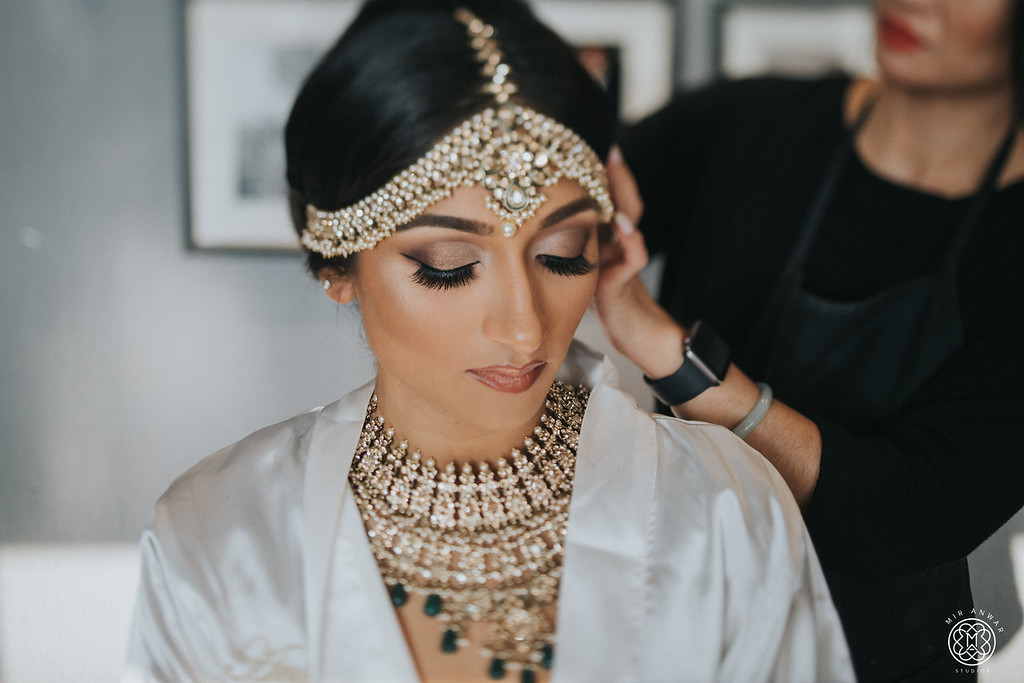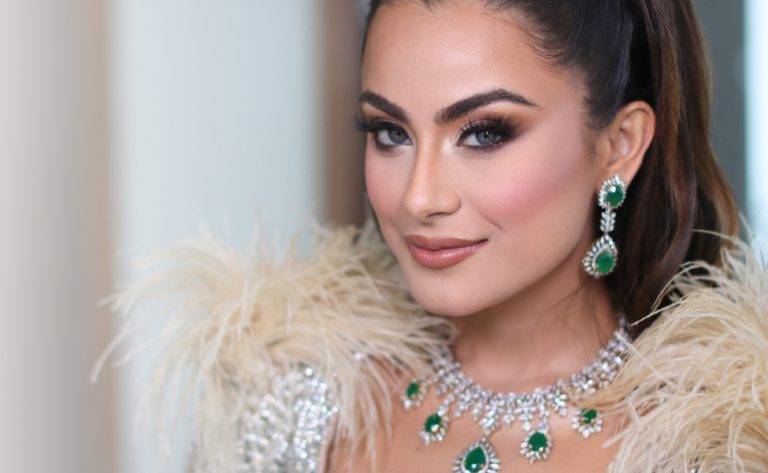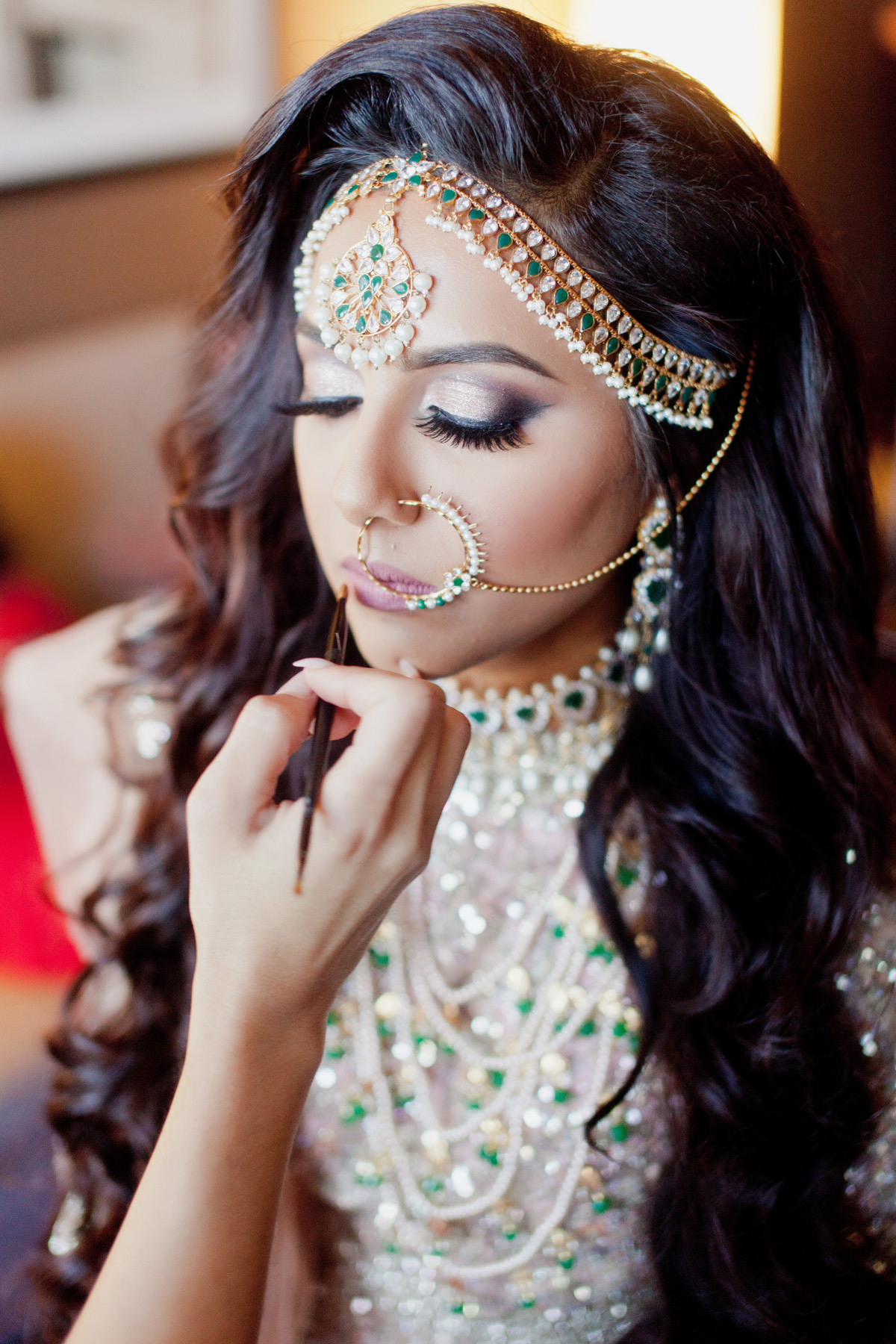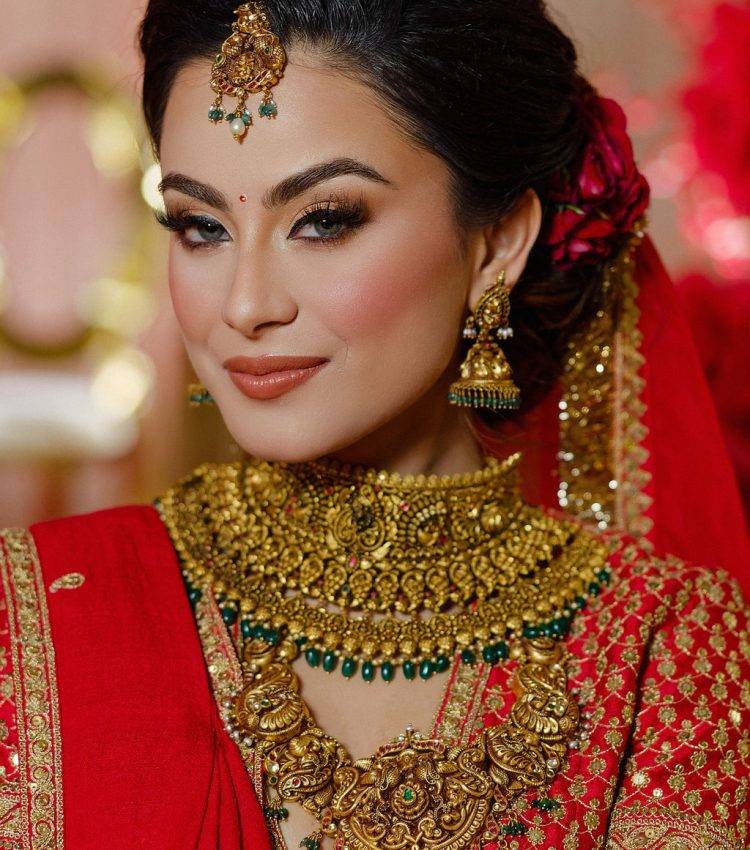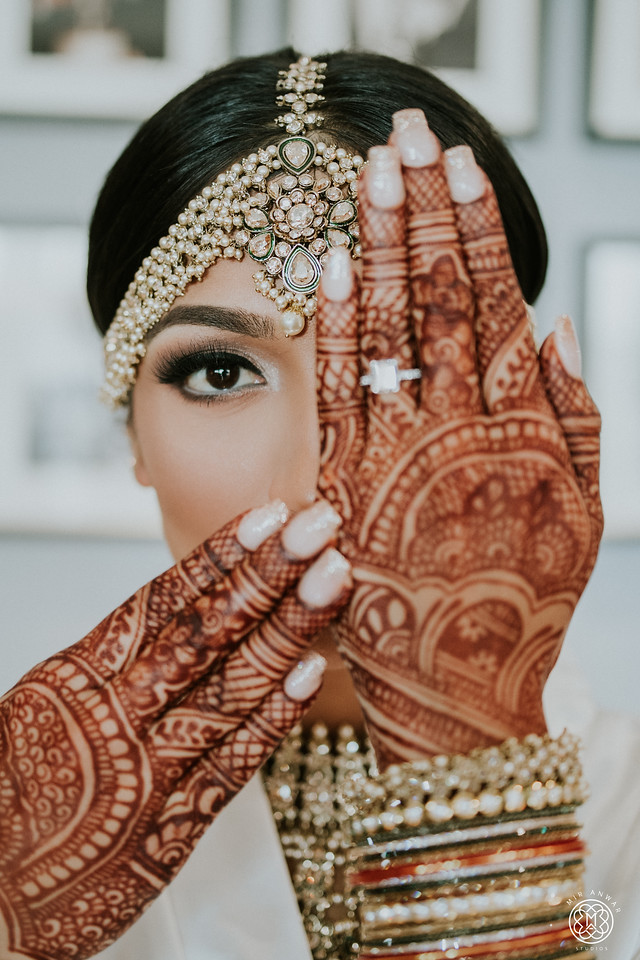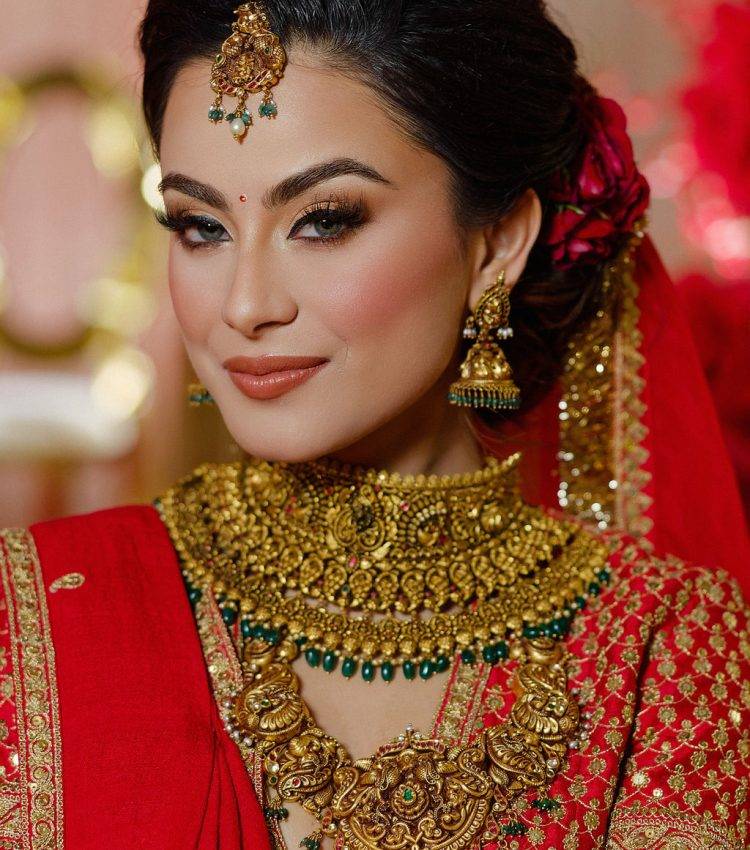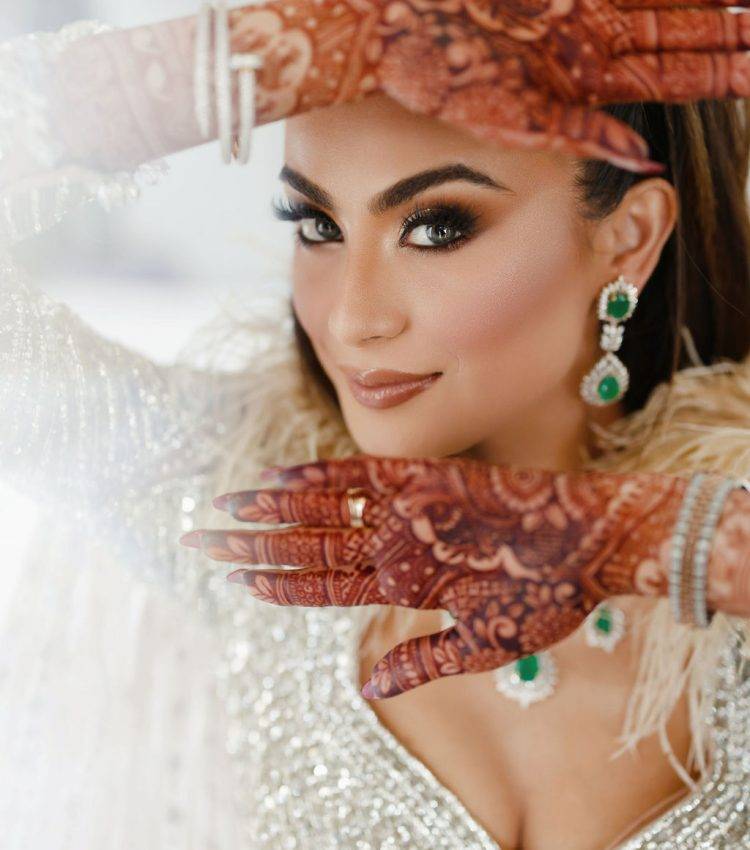
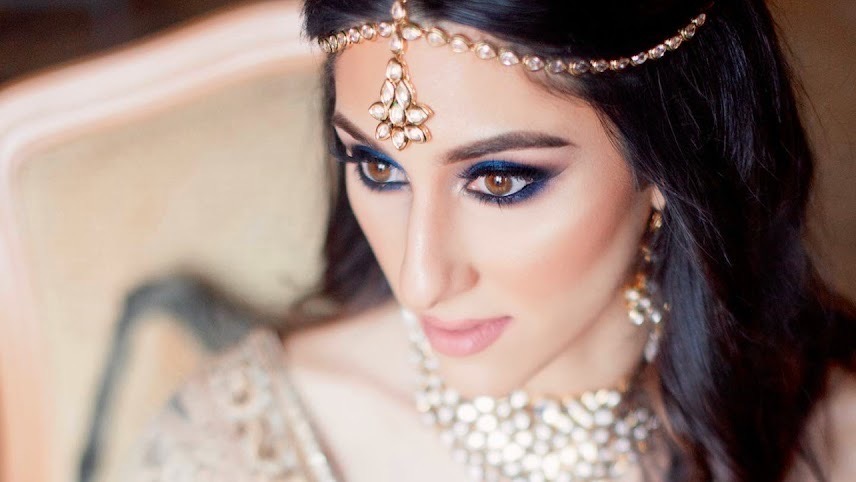
If you have worked with talented general artists and still felt that something was missing, this guide explains why. Choosing a south asian bridal makeup artist in Dallas is not about a heavier application or a more dramatic finish. It is about working with an artist who understands your skin, your ceremonies, your clothing and the rhythm of a South Asian wedding from the inside.
A South Asian wedding asks more of makeup than a single portrait session ever will. You may begin before sunrise, cry during a farewell, embrace hundreds of guests, sit beneath warm lights and still need to look calm and radiant in the final photograph of the night. Your makeup, hair and draping have to be planned as one complete picture, with each choice supporting the next.
Use what follows to recognise the right fit and ask clear questions before you book anyone.
What a south asian bridal makeup artist does differently
A general artist often begins with a look you found online. This work begins with you. Your features, skin tone, wedding clothing, jewelry, family traditions and the order of events all shape the plan. A colour that looks beautiful on another bride may turn grey on your skin or compete with the embroidery on your outfit. Placement that suits a short ceremony in one tradition may not hold its balance through hours of ritual, movement and emotion.
The difference is judgement built around context. Every product, shade and styling choice has a reason, and that reason is explained to you in plain language. You are not asked to trust a trend. You are guided through what will photograph well, what will feel comfortable and what will still look like you when the day becomes busy and emotional.
Jenny Torry brings 18+ years of experience to this work and has served 3,500+ women. She specializes in South Asian bridal beauty and is known for airbrush makeup. She takes one bride per day, and her philosophy guides every appointment: You should wear the makeup, not the other way around. Her service area is Dallas Fort Worth and destinations worldwide. You can read more about working with an Indian bridal makeup artist in Dallas who plans the whole celebration as one connected look.
Complexion work for golden, olive and deep South Asian skin tones
Beautiful bridal makeup begins long before colour is placed on the eyes or lips. It begins with reading your skin in natural light, noticing where warmth lives, where depth gathers and where redness or uneven tone may appear under stress. Golden skin can lose its radiance beneath a foundation that is too cool. Olive skin can turn ashen when a shade leans pink. Deep skin can look flat when products meant for lighter skin are layered on top without enough richness or contrast.
General kits often fail because they offer a narrow range and expect one formula to solve every concern. This work calls for a wider and more thoughtful kit, with foundations, correctors, powders and blush shades chosen for real South Asian complexions. Correction comes before coverage, so dark circles, pigmentation and shadows are softened without piling on product. The goal is skin that looks like skin, even in close photographs and under reception lighting.
You should be able to recognise yourself at every stage. Coverage is placed only where you need it, glow is kept where light naturally falls, and the finish is balanced so your face, neck and hands read as one tone.
Makeup that holds through long ceremonies and tears
A South Asian wedding day is rarely short or still. There may be prayers, blessings, photographs, outfit changes, dancing and long stretches beneath warm lights. Makeup has to be built in light layers that bond with prepared skin, not a thick layer that sits on top and begins to move as the hours pass.
Preparation matters as much as product. Skin is cleansed, balanced and moisturised according to its needs on that morning, because makeup placed over dry patches will cling, and makeup placed over excess oil will slide. Setting is done in stages, with attention to the areas where you smile, cry and embrace family. Tears are expected and planned for, with techniques that let moisture fall without taking your eyeliner or foundation with it.
Longevity should never feel like a mask. When the work is done well, you can hug your parents, laugh with your friends and dance at your reception without watching the mirror all night. Comfort is part of endurance, because a bride who forgets her makeup is free to be present.
Dupatta draping, tikka setting and jewelry are part of the service
For many South Asian brides, makeup is only one part of getting ready. A dupatta can frame the face, soften a neckline or cover the hair for a ceremony, and each choice changes how the whole look reads. Draping has to be secure without pulling, graceful without hiding your jewelry and practical enough that you can move, sit and embrace family with ease.
The tikka must sit at the centre and stay there, placed with your parting, hairline and hairstyle in mind. Earrings, necklaces and headpieces are set after hair and makeup are complete, in an order that protects every finished detail. Pins are hidden, weight is balanced and final adjustments are made while you are standing, so the look holds from more than one angle.
Hair, makeup, draping and jewelry are stages of one look, and each stage protects the work that came before it.
Styling across Hindu, Muslim, Sikh and fusion traditions
Respect is practical, not decorative. A Hindu bride may need her look to work with a dupatta and traditional jewelry through several rituals. A Muslim bride may plan for hijab styling and moments of privacy while getting ready. A Sikh bride may wear a turban or dupatta with specific care around coverage and placement. A fusion celebration may bring together clothing, customs and family expectations from more than one tradition.
The right artist asks, listens and follows your lead. She does not assume that one South Asian wedding looks like another, and she does not treat your customs as an obstacle to beauty. Your family practices, your comfort and your own interpretation of tradition guide the styling, while her role is to make those choices work beautifully and securely. If you are still in the middle of comparing artists, Finding an Indian Bridal Makeup Artist in Dallas explains how to search with confidence.
Planning multiple events as one story with your south asian bridal makeup artist
Mehndi, Haldi, Sangeet, ceremony and reception each ask for something different from you. Colour, mood and energy shift from event to event, yet your photographs will live together as one wedding story. Planning every look together keeps that story connected. A fresh and playful Sangeet look can give way to a timeless ceremony look, then a more polished reception finish, without any one event feeling copied from the last.
This planning also protects your skin and your schedule. Products and hairstyles are varied with care, removal and rest are considered between long days, and the timing for each morning is built around travel, family photographs and the hour you must be ready. You begin each event knowing what will happen and how long it will take.
The trial is a working session
Your trial is where the plan becomes real. Bring photographs of your outfits, jewelry and inspiration, and speak honestly about what you loved or disliked in makeup you have worn before. Your artist tests complexion shades, eye shapes, lip colour and hair ideas, then studies the result in different light and in photographs.
Changes are the point of the appointment. If a lip feels too bold, if a hairstyle pulls, if a finish looks too matte in pictures, that is valuable information. Notes are kept for your wedding morning, so decisions do not have to be remade under pressure. You leave with a shared plan and a clear sense of how you will look and feel. And if you are weighing a generalist against a specialist, Makeup Artist Dallas: How a South Asian Bride Should Choose lays out the difference in one conversation.
FAQ
What does a south asian bridal makeup artist do that a general artist may not?
She plans makeup, hair, draping and jewelry around South Asian skin tones, wedding clothing and ceremonies. The work includes complexion correction, secure dupatta draping, tikka setting and looks for several events that belong together. A general artist may create a beautiful single look without planning for the full shape and length of your celebration.
How will my makeup hold through tears and a long celebration?
Your skin is prepared for its needs that morning, and makeup is applied in light layers and set in stages. Techniques are chosen for warmth, movement and emotion, with extra care around the eyes and the areas where tears fall. You will also know how to blot and refresh without disturbing the finish.
Can my looks for Mehndi, the ceremony and the reception feel different and still connected?
Yes. Each look is planned with its own clothing, jewelry, light and mood, while your complexion work and personal style keep the story consistent. One event may feel fresh and colourful, another timeless and another more polished. The connection comes from choices made for your face and your wedding, not from repeating the same makeup.
What should I bring to my trial?
Bring photographs of each outfit, your jewelry if you have it and images of makeup you love and makeup you do not love. Come ready to talk about comfort, coverage, family traditions and the time you must be ready. Honest feedback during the trial gives your artist the information she needs for a calm wedding morning.
A final note
When you are ready to talk about your wedding, you are invited to explore https://jtorryart.com/investment/bridal-services/ and send an inquiry with your date, your events and what matters most to you. If you prefer to speak first, call 469-905-4699. The right artist will make the plan feel clear, personal and calm from the very first conversation.